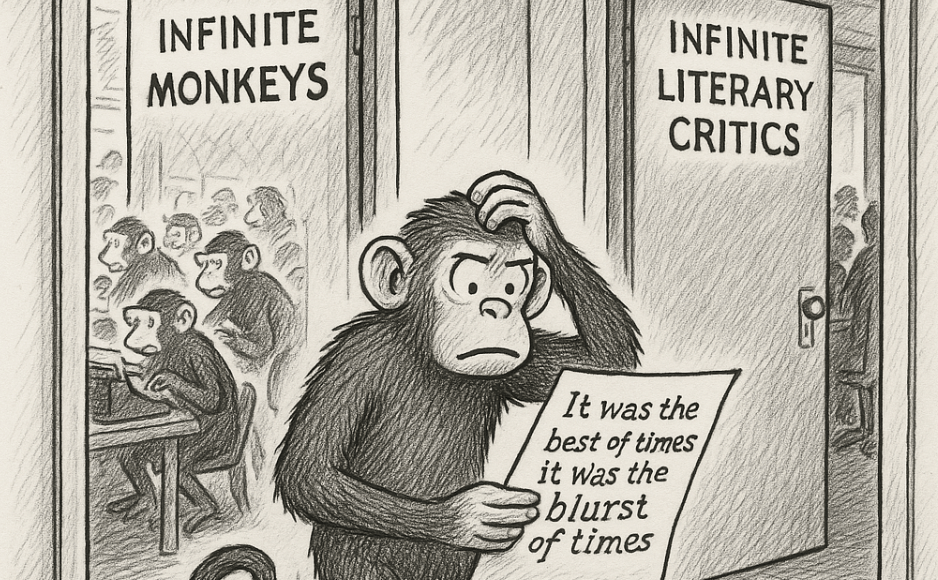
Generative Ai is approaching some impressive things in urban design, but a major sticking point is the ability to know what to look for. We know there is more to a good city besides simple metrics such as daylight, floor area or green coverage however, to date similar metrics have largely been what generative algorithms optimise for. Though the results have some usefulness in exploring ideas, the lack of a complete and quantifiable understanding of what a city needs to do means they fall short, and could even risk worse design through their oversimplification into ready-for-instagram aesthetics and easy to define metrics..
So what next? There are a few key questions that come out of this:
- Who should say what a city needs to do? e.g. how do we agree on what the outcomes should be?
- How do we understand cities well enough to create a set of principles that stand a good chance of creating the desired outcomes?
- What are the ‘intangibles’ or hard to define elements that might lead to generative designs that fall short?
- Can ‘good’ ever be defined quantitatively to the extent needed?
- What does it mean to ‘optimise’ when there is still a need for resilience, redundancy and diversity?
- What are the low hanging fruit for urban ai? e.g what are the things currently being done badly that could be improved?
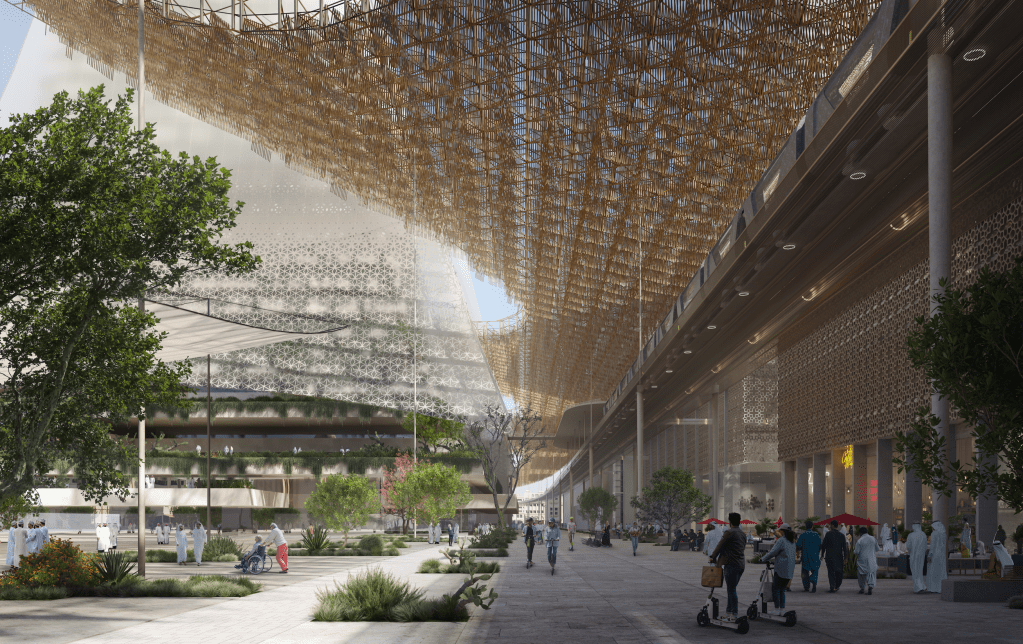
 How to grow a city